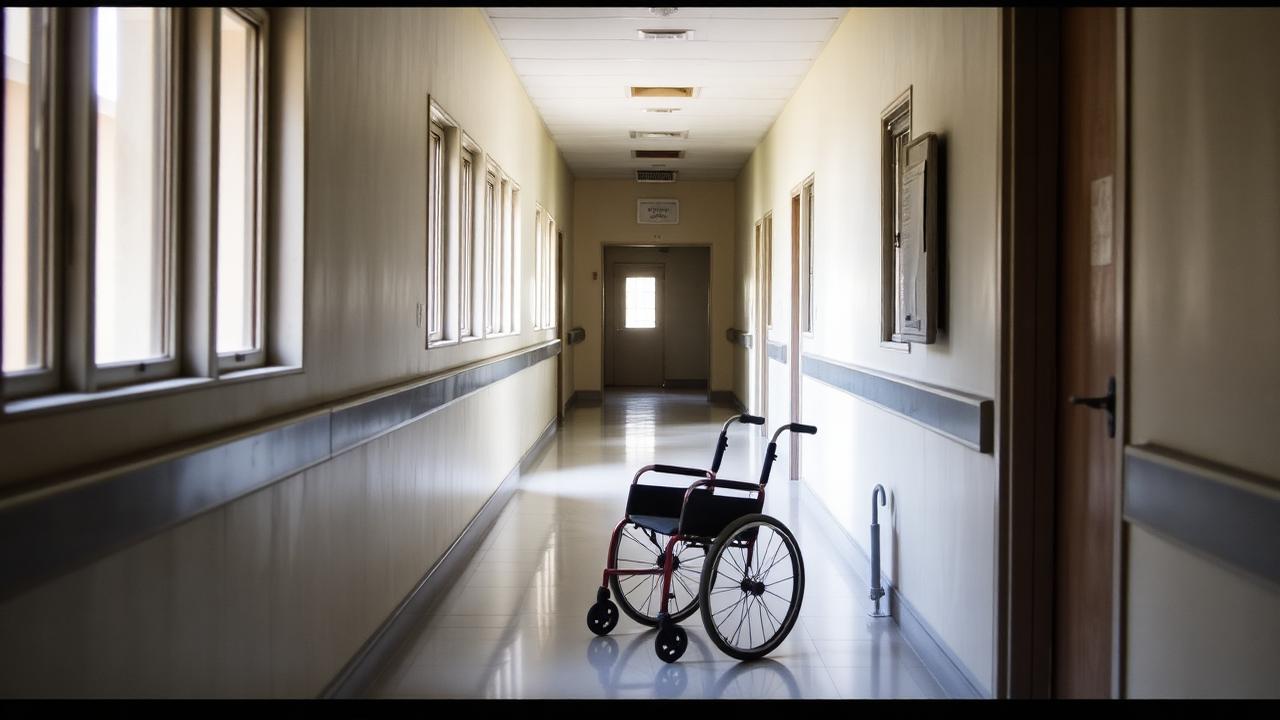
When James Mwangi was admitted to a private hospital in Nairobi with severe malaria, he expected to spend two, maybe three nights. He left a week later with a bill of more than KSh 180,000 — most of it for the ward bed, not the treatment itself.
His experience is far from unique. Across Kenya, the daily cost of a hospital bed ranges from KSh 2,500 in a public general ward to upwards of KSh 35,000 in a private room, before a single test or medication is added. For families already stretched thin, an unplanned admission can quickly become a financial emergency.
Health economists say the 'hidden' costs are what catch people out: transport for relatives, meals, lost income from days away from work, and the deposits many private facilities demand before admission. These can easily double the headline bill.
"People plan for the treatment, but not for the days," says Dr. Achieng' Otieno, a health systems researcher. "It is the length of stay that destroys household budgets. Every extra night is another bill."
Insurance experts increasingly point to cash-benefit products — which pay a fixed amount for every night spent in hospital — as a simple buffer against exactly this kind of shock. Unlike traditional cover, the money is paid directly to the patient to spend however they need.
For James, the lesson was expensive but clear. "If I had even a small cushion for each night, it would have changed everything," he says. "I was paying for the bed before I could even think about getting well."